
Industrial valve maintenance plays a direct role in plant reliability, production efficiency, and long-term operational safety. In sectors such as mining, chemical processing, petrochemical plants, power generation, pulp and paper, steel, hydrogen, and water treatment, valves do more than open and close pipelines. They control flow, isolate equipment, protect systems, and help process plants operate within safe design limits.
When valves fail, production often slows down or stops completely. A leaking isolation valve can delay maintenance work. A sticking control valve can affect process stability. A worn knife gate valve can struggle in slurry service. An actuator or positioner fault can reduce control accuracy and create unnecessary process variation.
For South African industrial operations, the goal should not only be to repair valves after failure. The stronger approach is to build a maintenance strategy that helps identify wear, performance issues, and operational risks before they cause unplanned downtime.
Why Industrial Valve Maintenance Matters
Valves operate in some of the most demanding areas of a plant. They may handle abrasive slurry, high-pressure steam, corrosive chemicals, fibrous media, water, residue, gas, or temperature-critical process conditions. Over time, these conditions affect seats, seals, discs, gates, balls, stems, packing, actuators, and control accessories.
Without structured maintenance, small valve problems can develop into major operational interruptions. Common issues include:
- Internal leakage through worn seats or seals
- External leakage around packing or body joints
- Poor control response from worn trim or positioner faults
- Sticking or jamming caused by solids, fibre, or product build-up
- Actuator failure due to air supply, electrical, or mechanical issues
- Corrosion or erosion in aggressive process environments
- Incorrect valve selection for the application
A maintenance plan helps teams move from reactive repair to planned reliability. It also supports safer shutdown planning, better spare parts control, and improved production continuity.
Common Causes of Valve-Related Downtime
Industrial downtime often starts with small warning signs. Operators may notice slower valve response, increased air consumption, noise, vibration, leakage, or inconsistent process control. These signs usually point to one of several root causes.
Wear from Abrasive or Corrosive Media
Mining, mineral processing, chemical, and wastewater applications often expose valves to abrasive or corrosive media. Slurries, scale, chemicals, and suspended solids can damage internal components. Over time, this wear affects shut-off performance and control accuracy.
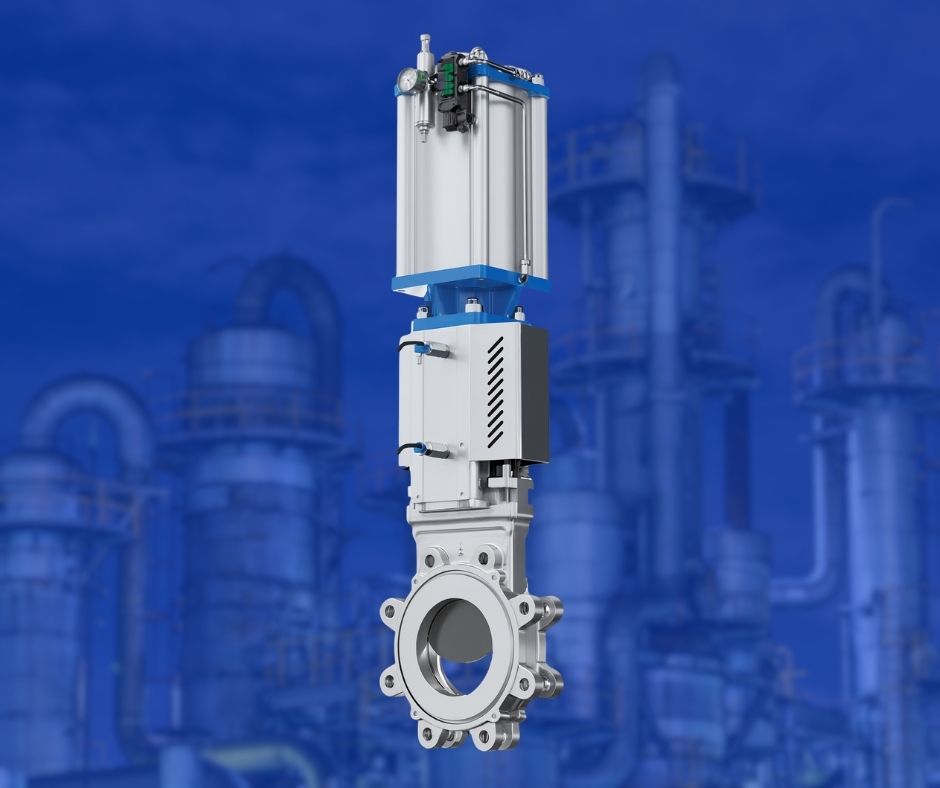
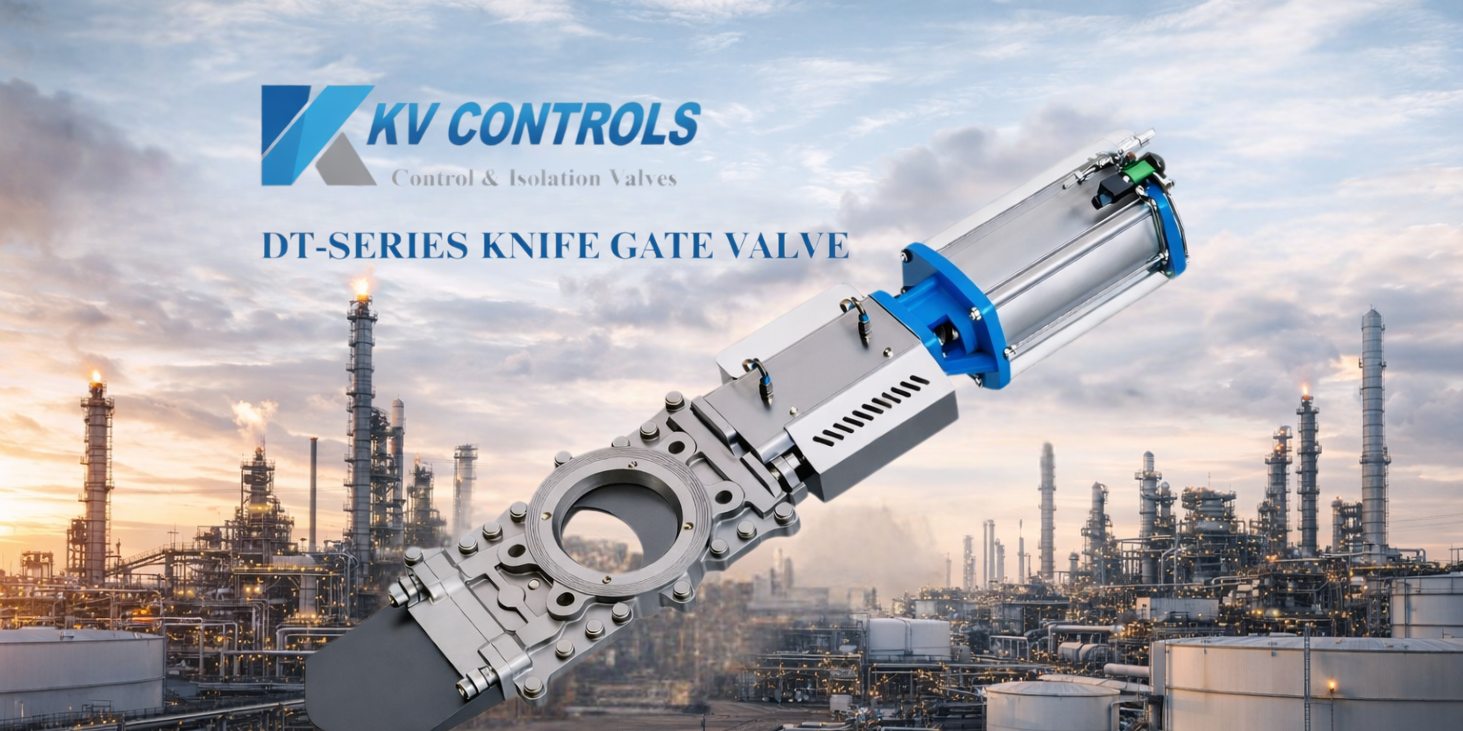
In these applications, the correct valve type matters. For example, plants that handle slurry or fibrous media often require specialised knife gate valves for industrial isolationrather than general-purpose valve designs.
Poor Valve Selection
Incorrect valve selection can shorten service life and increase maintenance costs. A valve that performs well in clean water may not suit abrasive slurry. A standard valve may not perform correctly in steam service, high-cycle control, or severe-duty applications.
Good valve selection considers the media, pressure, temperature, flow requirements, shut-off class, actuation needs, material compatibility, and maintenance access.
Lack of Inspection Planning
Many plants only inspect valves during shutdowns or after failure. This approach increases risk because hidden wear can go unnoticed for months. A planned inspection schedule helps maintenance teams identify leakage, corrosion, actuator problems, and performance drift before the valve fails in service.
Control Valve Performance Problems
Control valves must respond accurately to process signals. If a control valve sticks, overshoots, hunts, or responds slowly, it can affect production quality and process stability. Positioners, actuators, packing friction, worn trim, or air supply issues often contribute to these problems.
For more insight into performance monitoring, KV Controls has also covered this topic in the blog How valve diagnostics reduce industrial downtime
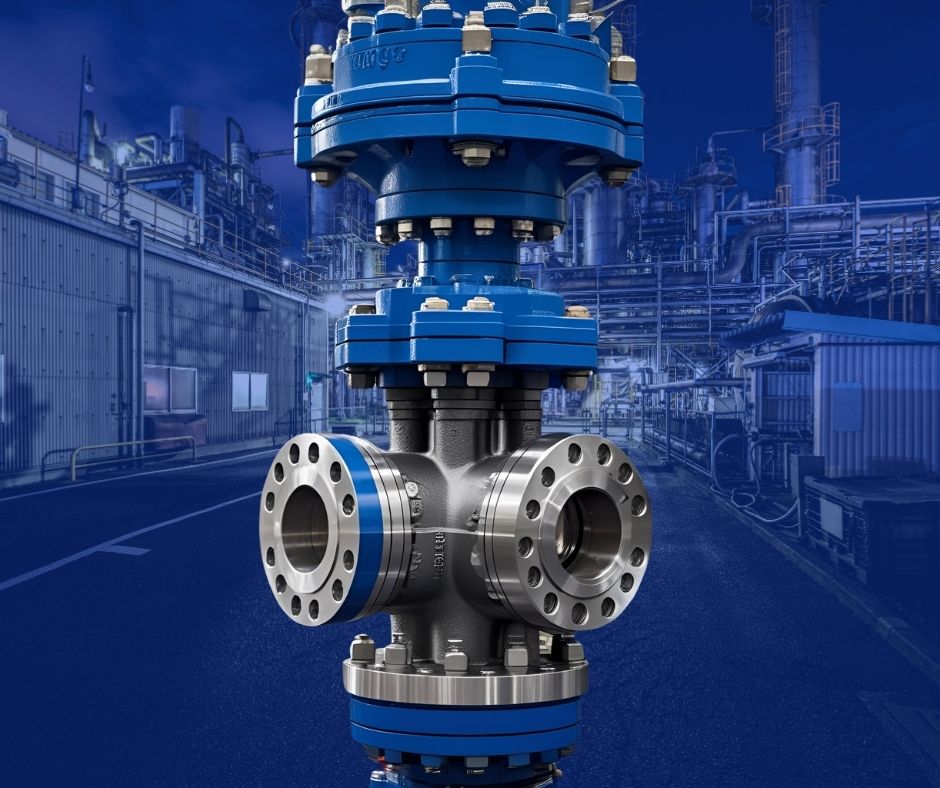
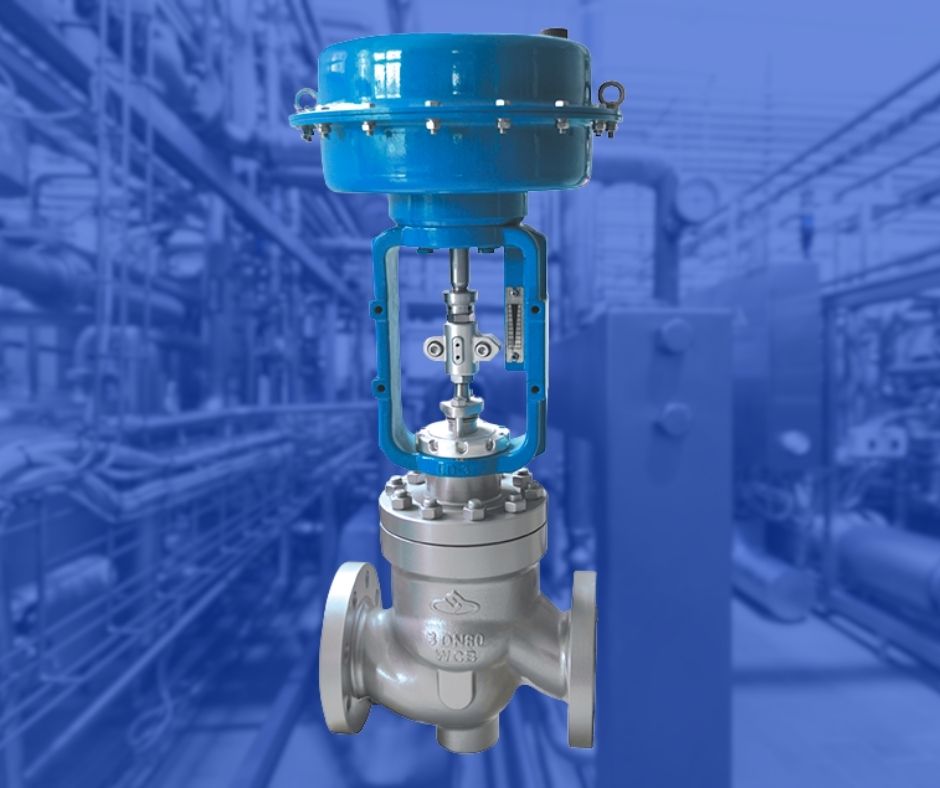
How Preventive Valve Maintenance Reduces Downtime
Preventive valve maintenance gives plant teams better control over shutdowns, spares, and repair planning. Instead of waiting for a valve to fail, maintenance teams inspect, test, and service valves based on operating conditions and criticality.
A practical valve maintenance programme should include visual inspections, leakage checks, actuator function testing, positioner verification, calibration where required, packing inspections, fastener checks, and internal inspection during planned shutdowns.
Build a Valve Criticality List
Not every valve carries the same operational risk. Some valves can fail without stopping production, while others can shut down an entire process line. A valve criticality list helps teams prioritise maintenance based on risk.
Critical valves may include:
- Main isolation valves
- Control valves on key process loops
- Safety-related valves
- Steam and boiler system valves
- Slurry and tailings valves
- Valves in corrosive or high-pressure service
- Valves with a history of repeated failure
Once teams identify critical valves, they can schedule inspections more effectively and hold the correct spare parts.
Inspect Valves Before Shutdowns
Pre-shutdown inspections help maintenance teams prepare properly. Technicians can identify which valves need repair, which spares they require, and which valves may need replacement. This reduces delays during shutdowns and supports better planning.
A proper inspection may include checking for leakage, actuator response, visible corrosion, unusual noise, travel issues, gland leakage, air leaks, and position feedback accuracy.
Service Actuators and Positioners
Actuators and positioners play an important role in valve reliability. Even a mechanically sound valve can cause downtime if the actuator fails or the positioner does not respond correctly.
Maintenance teams should check air supply quality, tubing, electrical connections, calibration, mounting brackets, feedback linkages, solenoids, limit switches, and control signals. In automated plants, reliable actuation supports better process control and safer operation.
KV Controls supplies a range of actuators for industrial valve automation to support control and isolation applications across South African industries.
The Role of Valve Repair and Refurbishment
Valve repair and refurbishment can extend valve life and reduce replacement costs when the valve body and major components remain serviceable. This approach helps plants manage budgets while improving equipment reliability.
KV Controls supports industrial clients through its valve repair and maintenance services, where inspection, repair, refurbishment, and testing can help return valves to reliable working condition. For plants that operate in heavy-duty environments, this service becomes an important part of long-term asset management rather than a once-off repair activity.
Repair work may include seat replacement, seal replacement, trim inspection, actuator checks, body inspection, machining where suitable, pressure testing, functional testing, and general refurbishment. This process helps teams make informed decisions about whether to repair, replace, or upgrade a valve.
Matching Valve Maintenance to Industry Conditions
Valve maintenance should match the operating environment. A water treatment plant, mining operation, petrochemical facility, and power generation plant will not face identical valve problems.
Mining and Mineral Processing
In mining applications, valves often handle slurry, tailings, abrasive solids, and harsh process conditions. These duties can accelerate wear on seats, gates, liners, and seals. Maintenance teams should pay close attention to shut-off performance, material build-up, erosion, and valve selection.
KV Controls supports valve solutions for the mining industry with products suited to demanding isolation and control requirements.
Chemical and Petrochemical Plants
Chemical and petrochemical environments require strong attention to material compatibility, leakage control, corrosion resistance, and process safety. Maintenance teams must check seals, packing, body materials, actuator reliability, and control accuracy.
Power Generation
Power generation plants rely on valves for steam, water, pressure control, isolation, and safety-related duties. High temperatures and pressures can increase the risk of wear, leakage, and component fatigue. Planned maintenance helps protect uptime and operational safety.
Pulp and Paper
Pulp and paper plants often deal with fibrous media, stock, chemicals, and water systems. Valve geometries that create restriction points can allow fibre to collect and affect performance. Suitable knife gate, ball, and control valve options can help reduce maintenance challenges.
Maintenance Signs That a Valve Needs Attention
Operators and maintenance teams should act when they notice early warning signs. These signs often appear before complete valve failure.
Common warning signs include:
- Valve does not open or close fully
- Leakage occurs through the valve or around the stem
- Actuator moves slowly or inconsistently
- Position feedback does not match actual valve travel
- Valve requires excessive force to operate
- Control loop performance becomes unstable
- Unusual vibration, noise, or pressure drop develops
- Product build-up affects valve movement
- Frequent packing adjustments become necessary
Ignoring these signs increases the chance of unplanned downtime. Early action often reduces repair costs and prevents secondary damage to connected equipment.
How KV Controls Supports Downtime Reduction
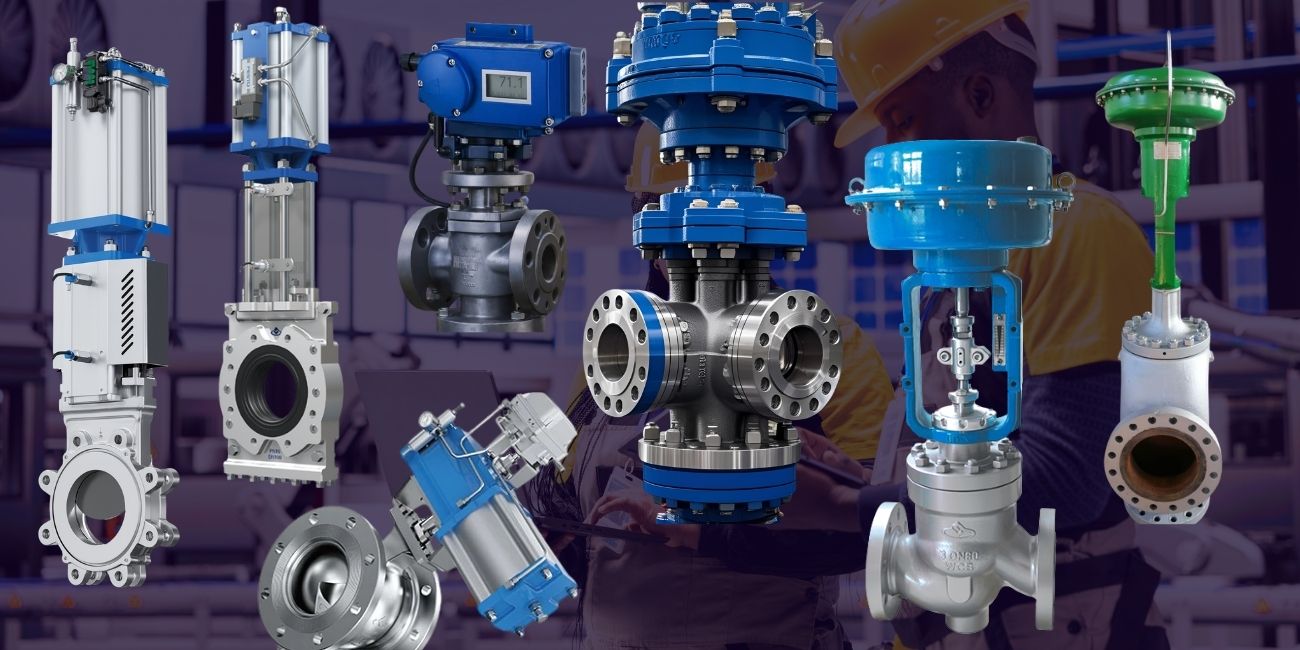
KV Controls supplies control and isolation valve technology for South African industrial sectors that require dependable performance under demanding conditions. With a product range that includes ball valves, butterfly valves, globe control valves, knife gate valves, safety valves, actuators, positioners, solenoid valves, diaphragm valves, plug valves, ARC valves, segmented ball valves, desuperheaters, and gate, globe and check valves, KV Controls supports both process control and isolation requirements.
The company also works with trusted valve and control brands, including KV Controls, Copes-Vulcan, Lenor, Schneider Electric, Youfumi, and ZD Valves, where relevant to the application.
As an ISO 45001:2018 accredited company, KV Controls places strong focus on safety management, service support, and dependable industrial supply. The company operates from its head office in Naledi Industrial Park, Sasolburg, with additional offices in Cape Town, the Eastern Cape, and KwaZulu-Natal.
For technical support, valve supply, repair guidance, or product selection, industrial teams can contact KV Controls for valve support.
Final Thoughts
Industrial valve maintenance reduces downtime by helping plants identify problems before they become failures. A strong maintenance programme improves safety, protects production, supports better shutdown planning, and extends valve service life.
For South African industries that operate under abrasive, corrosive, high-pressure, high-temperature, or process-critical conditions, valve maintenance should form part of a broader reliability strategy. With the right valve selection, inspection planning, actuator support, repair capability, and technical guidance, plants can reduce unplanned interruptions and improve long-term performance.
KV Controls provides superior valve solutions for industrial operations that need dependable control and isolation valve technology across South Africa.
FAQs:
1. Why is industrial valve maintenance important?
Industrial valve maintenance helps reduce unplanned downtime, improve process reliability, prevent leakage, and extend valve service life in demanding industrial environments.
2. How often should industrial valves be inspected?
Inspection frequency depends on the valve type, media, pressure, temperature, cycle rate, and criticality. High-risk or high-wear valves should form part of a planned inspection schedule.
3. What are common signs of valve failure?
Common signs include leakage, slow operation, poor control response, sticking, noise, vibration, actuator faults, and failure to open or close fully.
4. Can valves be repaired instead of replaced?
Yes. Many industrial valves can be repaired or refurbished if the body and major components remain suitable for service. Repair can reduce costs and extend asset life.
5. Which valves need the most maintenance?
Valves in abrasive, corrosive, high-cycle, high-pressure, slurry, steam, or process-critical applications usually need closer inspection and more structured maintenance planning.