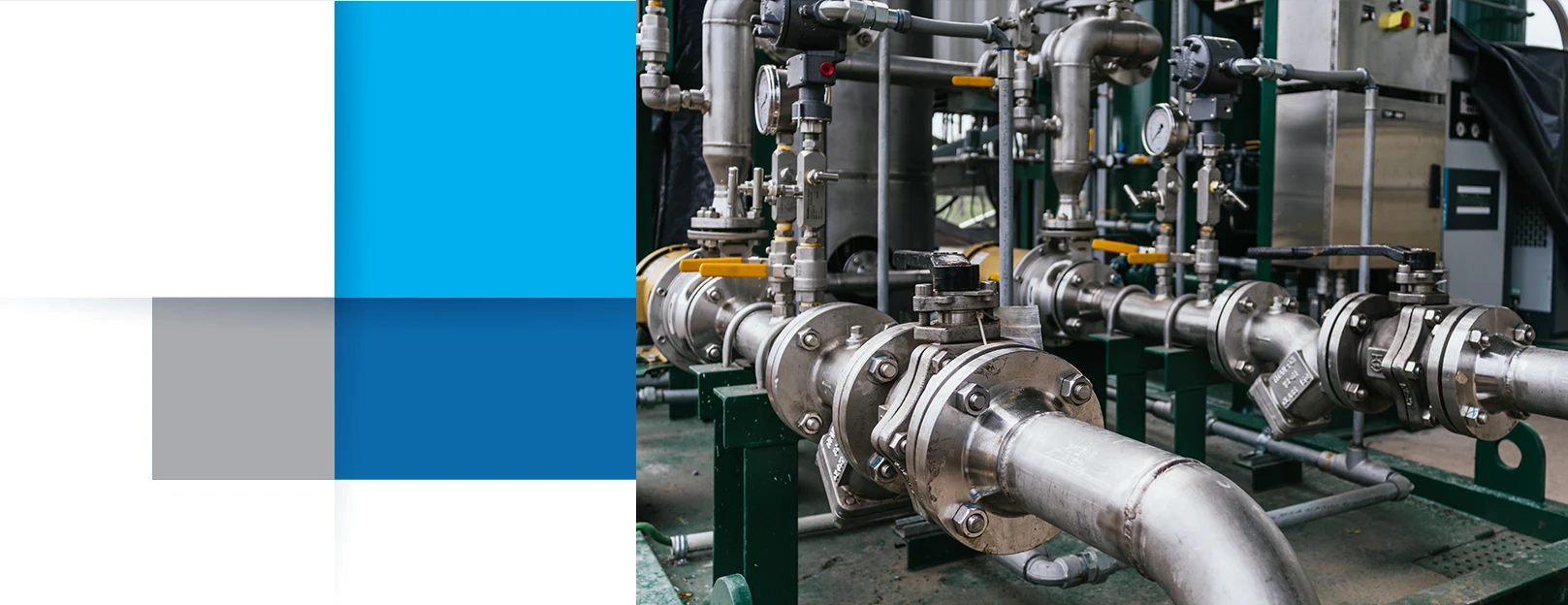
Industrial valves are essential to the safe and efficient control of flow in many process-driven industries. Whether the application involves abrasive media, fibre, slurry, shut-off duty, or precise throttling control, there are often key questions that need to be answered before the right valve or support solution can be selected.
Across sectors such as mining, water, chemical processing, power generation, pulp and paper, and steel, these questions often centre on performance, suitability, maintenance, and long-term reliability. Below are 15 relevant questions and answers that explore important aspects of industrial valve products, services, and applications.
1) What does KV Controls supply?
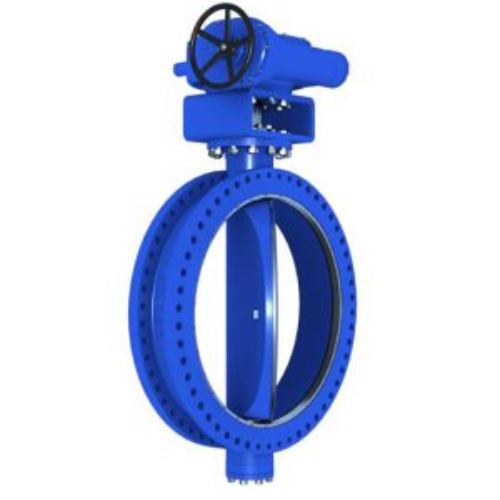
KV Controls supplies a wide range of industrial flow-control products, including knife gate valves, segmented ball valves, positioners, actuators, globe control valves, plug valves, diaphragm valves, safety valves, butterfly valves, and related support services. Their site also highlights repair capability and industry-focused supply across South Africa
2) Which industries does KV Controls serve?
KV Controls serves industries such as chemical and petrochemical, mining, power generation, pulp and paper, steel, hydrogen, and water. That range matters because valve selection is application-driven, and different industries need different shut-off, control, pressure, and material requirements.
3) What is a knife gate valve used for?
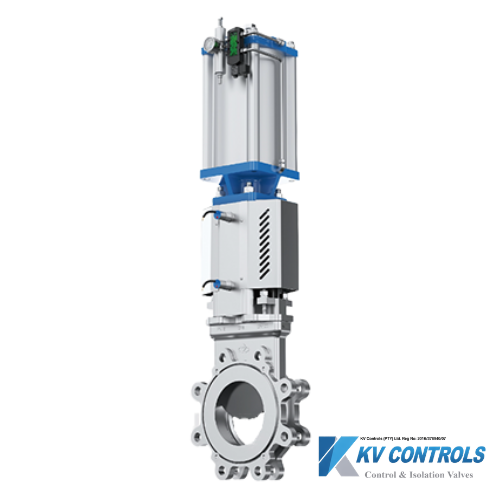
A knife gate valve is mainly used for isolating difficult media such as slurry, sludge, fibre-loaded flow, viscous liquids, and solids-bearing process streams. KV Controls’ knife gate valve content consistently positions these valves for mining, wastewater, pulp and paper, sugar, and chemical processing because the gate can cut through dense or contaminated media more effectively than many conventional valve styles.
4) How do I know if a knife gate valve is the right choice?
A knife gate valve is usually the right choice when the duty is isolation rather than fine control, and the media contains solids, fibres, sludge, grit, pulp, or slurry. Competitor selection guides also focus on media type, pressure, size, maintenance limits, and shut-off needs when choosing the correct knife gate valve.
5) What is the difference between a knife gate valve and a segmented ball valve?
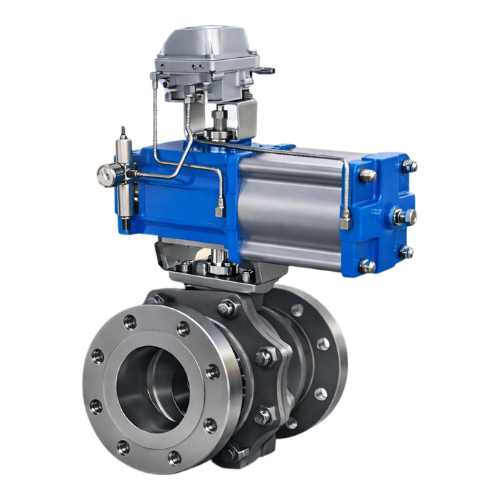
A knife gate valve is generally best for on/off isolation in harsh, solids-heavy service. A segmented ball valve is designed for more accurate throttling and modulating control. Bray describes segmented ball valves as combining knife-gate-like shearing action with control-valve characteristics, while KV Controls describes its segmented ball valves as quarter-turn valves with a V-notch design for precise flow regulation.
6) What is a segmented ball valve?
A segmented ball valve is a quarter-turn control valve with a shaped or V-notch segment that allows more accurate flow control than a standard on/off ball valve. KV Controls explains that this design provides strong cutting force, self-cleaning performance, and suitability for fibre and fine solids in challenging process conditions.
7) Where are segmented ball valves commonly used?
Segmented ball valves are commonly used in pulp and paper, petrochemical, mining, power generation, wastewater, and other applications that need dependable throttling with difficult media. Both KV Controls and competitor content highlight these valves where precision control and resistance to clogging are important.
8) Why is the V-notch design important?
The V-notch design improves controllability because it creates a more predictable flow characteristic during throttling. It also helps with shearing action and reduced clogging in media with fibre or solids. KV Controls specifically highlights the V-notch and self-cleaning benefit on its segmented ball valve content.
9) What does a valve positioner do?
A valve positioner makes sure the actuator moves the valve to the commanded position accurately and consistently. In practice, that improves control stability, repeatability, and process efficiency. Emerson’s control resources describe positioners as important for valve performance and calibration, while KV Controls positions the SRD998 as a smart solution for accurate control and dependable field performance.
10) When do I need a smart positioner like the SRD998?
You need a smart positioner when the application requires better accuracy, easier commissioning, diagnostics, communication capability, or more reliable control-valve performance. KV Controls’ SRD998 content highlights accurate positioning, Autostart setup, diagnostics, and suitability for mining, petrochemical, utilities, water, and heavy manufacturing. Schneider’s product information also describes the SRD998 as a robust smart positioner with HART 7
11) Why do diagnostics matter in valve control?
Diagnostics help plants identify performance issues before they become failures. That can reduce downtime, support maintenance planning, and protect process stability. Smart positioners are valuable not only because they position the valve, but because they can provide feedback that improves maintenance decisions and consistency across the plant.
12) Can KV Controls help with valve repairs and after-sales support?
Yes. KV Controls promotes a dedicated repair centre, accredited repair capability, workshop support, and dedicated repair contact details. That matters for plants that want more than product supply and need lifecycle support, testing, and turnaround assistance.
13) What should buyers look for in a valve supplier in South Africa?
Buyers should look for application knowledge, product range, local support, repair capability, correct material and pressure selection, and availability across key industrial regions. KV Controls’ footprint across Sasolburg, Cape Town, Eastern Cape, and KwaZulu-Natal supports that local-service expectation.
14) How important are valve materials and pressure ratings?
They are critical. Application fit depends on media type, corrosion risk, solids loading, pressure, and temperature. KV Controls’ content for DK-series knife gate valves and segmented ball valves references material options, pressure classes, temperature ranges, and size availability, while competitor and global brand content also stresses matching product construction to the actual process duty.
15) Why choose KV Controls instead of sourcing only on price?
Because the real cost of a valve is not just the purchase price. It is the cost of poor shut-off, process instability, unplanned maintenance, and lost production. KV Controls’ positioning focuses on engineered solutions, product selection, support, repairs, and industry coverage rather than only moving stock. For industrial buyers, that makes a major difference in reliability and long-term value.