Introduction
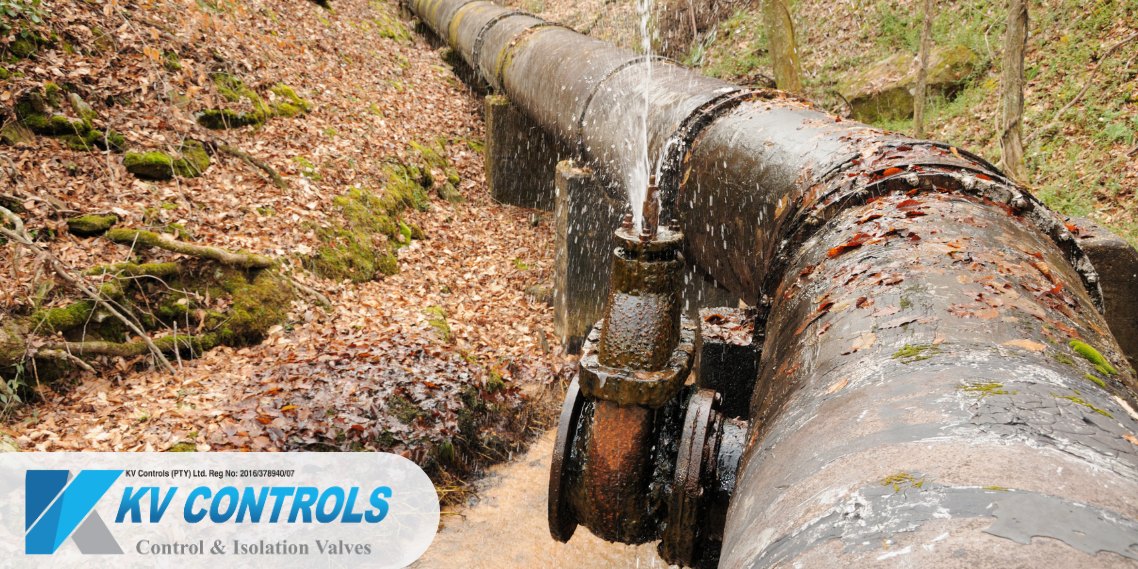
Valves play a crucial role in industrial operations, regulating fluid flow in various systems. However, valve failures can lead to costly downtime, process inefficiencies, and safety risks. Understanding the most common valve failures and how to prevent them ensures optimal performance and longevity.
1. Leakage (Internal & External)
Causes:
Worn-out seals or seats
Corrosion or erosion
Improper installation
Excessive pressure fluctuations
Effects:
Fluid loss and contamination
Pressure instability
Increased maintenance costs
Prevention:
Regular inspection and seal replacement
Proper material selection for corrosive environments
Ensuring correct valve installation
2. Valve Sticking or Hard to Operate
Causes:
Buildup of debris or scale
Lack of lubrication
Misalignment of components
Effects:
Difficulty in operation
Higher energy consumption
Potential safety hazards
Prevention:
Regular cleaning and lubrication
Use of self-cleaning valves where applicable
Proper alignment during installation
3. Cavitation Damage
Causes:
High-pressure drops causing vapor bubbles
Sudden flow rate changes
Poor valve sizing
Effects:
Pitting and erosion of internal surfaces
Excessive noise and vibration
Reduced valve lifespan
Prevention:
Using anti-cavitation trims
Selecting the right valve size and type
Maintaining steady flow conditions
4. Corrosion & Erosion
Causes:
Exposure to harsh chemicals
High fluid velocity
Incompatible valve material
Effects:
Structural weakening
Increased likelihood of leaks
Frequent replacements required
Prevention:
Selecting corrosion-resistant materials
Using coatings or linings
Ensuring proper flow rate management
5. Seal or Packing Failure
Causes:
Excessive wear or aging
Extreme temperature fluctuations
Incorrect packing installation
Effects:
Leakage and contamination
Process inefficiencies
Increased maintenance downtime
Prevention:
Regular seal replacement
Using high-quality packing materials
Maintaining stable operating conditions
6. Actuator or Positioner Failure
Causes:
Pneumatic or electrical faults
Mechanical wear
Software or calibration issues
Effects:
Inaccurate valve positioning
Process control inefficiencies
Potential safety concerns
Prevention:
Routine calibration and diagnostics
Using high-quality actuators and positioners
Immediate troubleshooting of control system alerts
7. Water Hammer Damage
Causes:
Sudden valve closure
Rapid fluid velocity changes
High-pressure surges
Effects:
Pipe damage and leaks
Valve seat and disc damage
System fatigue and failure
Prevention:
Installing slow-closing valves
Using surge protection devices
Implementing gradual pressure control
8. Incorrect Valve Selection or Sizing
Causes:
Mismatched valve type for the application
Undersized or oversized valves
Lack of flow condition analysis
Effects:
Inefficient flow control
Frequent breakdowns
Increased operational costs
Prevention:
Conducting a thorough needs assessment
Consulting with valve specialists
Using software tools for proper sizing
Conclusion
Preventing valve failures starts with understanding their causes and implementing proactive maintenance strategies. KV Controls provides high-quality valve solutions tailored to various industrial applications, ensuring reliability, efficiency, and safety. Contact us today to find the right valves for your system and avoid costly failures.
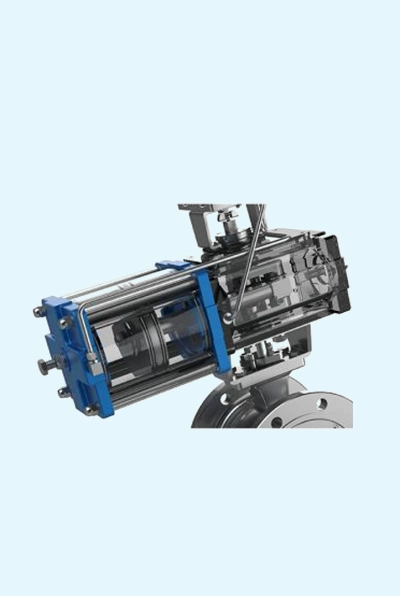
ACTUATORS
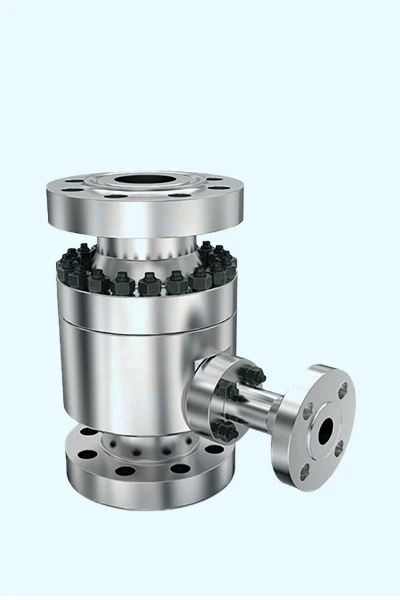
ARC VALVES
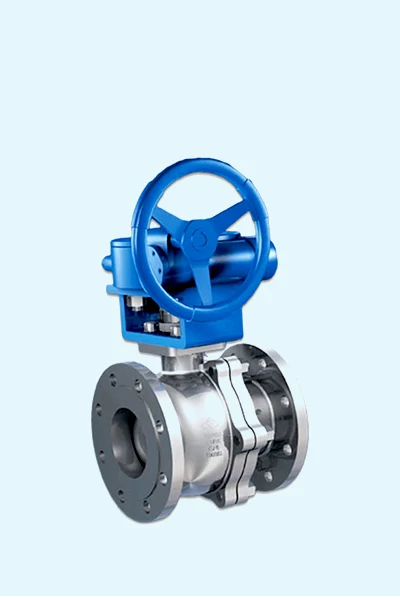
BALL VALVE
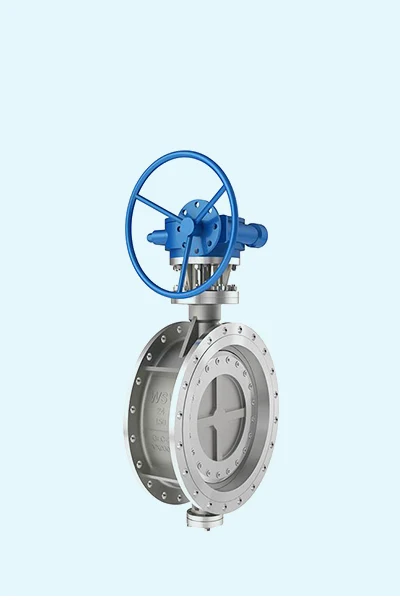
BUTTERFLY VALVE
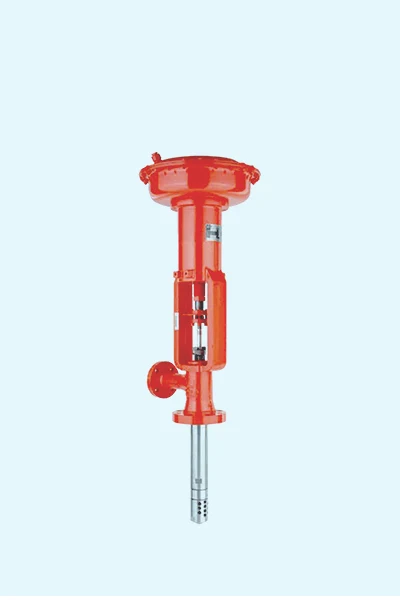
DESUPERHEATER
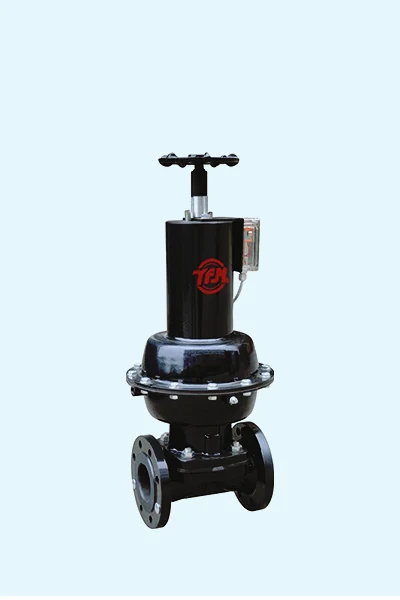
DIAPHRAGM VALVE
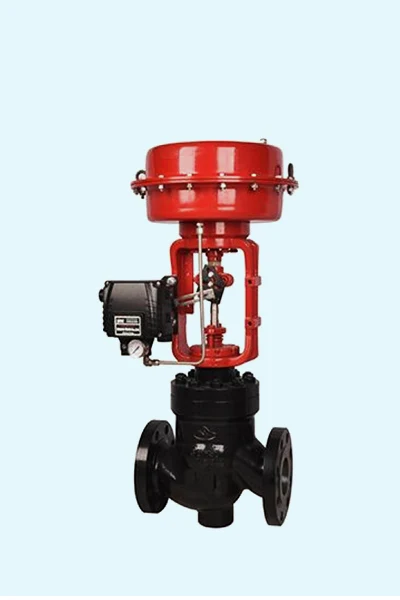
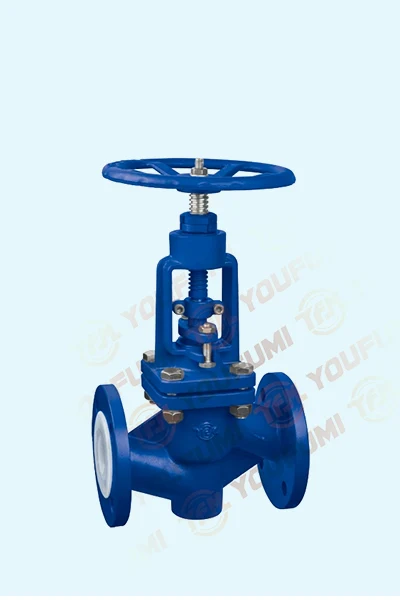
GLOBE CONTROL VALVE
GATE, GLOBE & CHECK
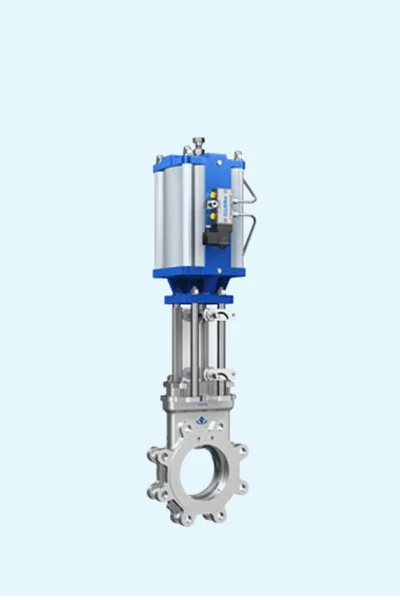
KNIFEGATE VALVE
PLUG VALVE
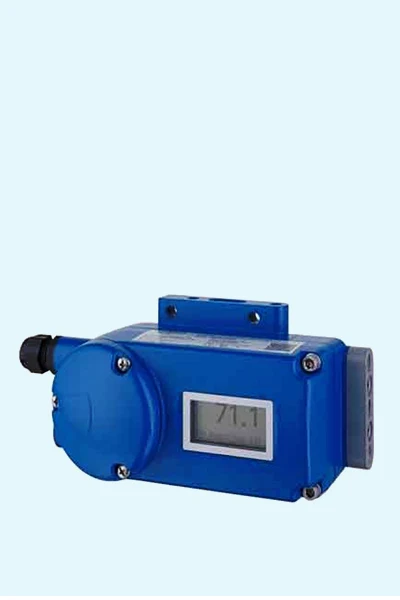
POSITIONERS
SAFETY VALVE
SEGMENTED BALL VALVE
SOLENOID VALVE