How Does the V-Notch Design Improve Flow Control in Segmented Ball Valves?
The V-notch (V-port) design is the most important feature that makes a segmented ball valve superior to standard ball valves for flow control. This unique design enables precise throttling, smoother modulation, and improved process stability, making segmented ball valves highly effective in industrial automation and process control systems.
Unlike traditional full-ball valves that provide limited control between open and closed positions, the V-notch design allows gradual and predictable changes in flow. This is why segmented ball valves are widely used in industries that demand accuracy, reliability, and efficiency.
What Is the V-Notch Design?
A segmented ball valve contains a partially cut ball with a V-shaped notch instead of a complete spherical ball. This V-shaped opening interacts with the valve seat as the ball rotates, creating a controlled and progressive flow path.
Key characteristics of the V-notch design include:
A precise V-shaped cut in the ball
Quarter-turn (90-degree) rotational movement
Progressive opening of the flow passage
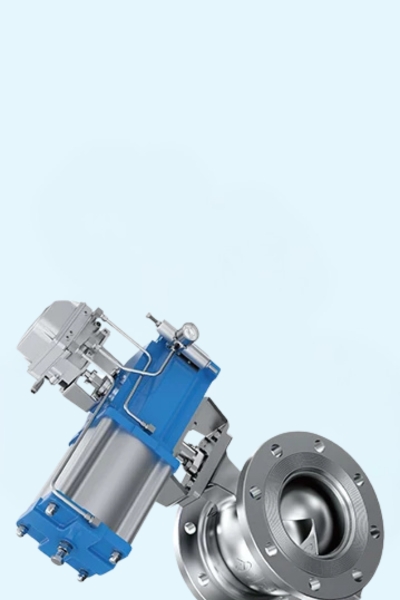
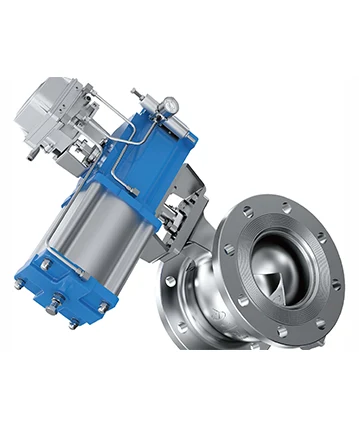
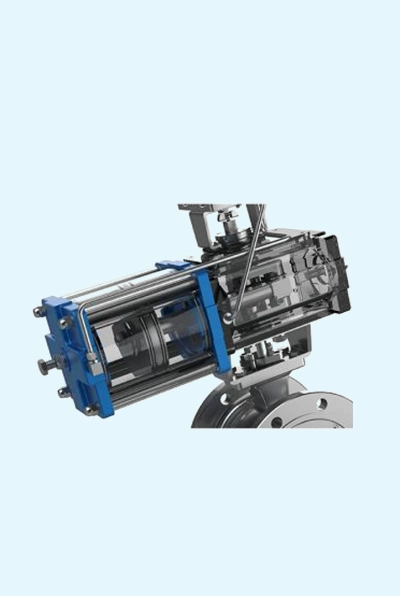
Compatibility with pneumatic and electric actuators
This design transforms a standard ball valve into a high-performance control valve.
How the V-Notch Improves Flow Control
1. More Precise Throttling
The V-shaped notch allows small, controlled increases in flow as the valve opens. This provides:
Better control at low flow rates
Smoother transitions between positions
More accurate process regulation
Instead of sudden changes in flow, the V-notch enables gradual modulation, which is critical in automated systems.
2. Predictable Flow Characteristics
The geometry of the V-notch creates a nearly linear flow characteristic, meaning that valve position closely corresponds to flow rate.
This results in:
Easier calibration and control
Better performance in feedback control loops
Improved stability in process systems
This predictability is a major advantage over traditional ball valves.
3. Reduced Turbulence and Pressure Drop
Compared to globe valves, segmented ball valves with a V-notch design allow a more streamlined flow path. This leads to:
Lower pressure loss
Improved energy efficiency
Reduced wear on internal components
Industries benefit from lower operating costs and longer valve life.
4. Better Handling of Slurries and Abrasive Media
The V-notch design helps prevent clogging and allows smooth passage of thicker or abrasive fluids such as:
Slurries
Viscous liquids
Dirty water
Chemical mixtures
This makes segmented ball valves ideal for mining, wastewater treatment, and pulp and paper applications.
5. Stronger Sealing and Control at Low Flow
Because the V-notch engages progressively with the valve seat, it provides:
More stable control at low flow conditions
Better sealing performance
Reduced leakage risk
This is particularly beneficial in chemical and petrochemical processing.
Where Is the V-Notch Design Most Useful?
The V-notch design is especially valuable in:
Water and wastewater treatment plants
Mining and mineral processing
Chemical and petrochemical facilities
Power generation systems
Pulp and paper mills
Automated process control applications
Conclusion
The V-notch design is the key reason why segmented ball valves outperform standard ball valves in flow control applications. It delivers superior precision, efficiency, and reliability, making these valves a preferred choice in demanding industrial environments.
For industries that require accurate and stable flow regulation, segmented ball valves with V-notch technology provide the ideal solution.
FREQUENTLY ASKED QUESTIONS (FAQ)
Q1: Why is the V-notch better than a standard ball valve design?
The V-notch allows gradual and precise flow control, whereas standard ball valves are mainly designed for simple on/off operation and provide poor throttling performance.
Q2: Does the V-notch design reduce valve wear?
Yes, the smoother flow path and reduced turbulence help minimize internal wear, leading to longer valve life and lower maintenance costs.
Q3: Can V-notch segmented ball valves be automated?
Yes, they are commonly paired with pneumatic or electric actuators and integrated into automated process control systems.
READ MORE;
Segmented Ball Valves Explained
Uses of Segmented Ball Valves – kv control
Segmented Ball Valve vs Globe Valve
ACTUATORS
ARC VALVES
BALL VALVE
BUTTERFLY VALVE
DESUPERHEATER
DIAPHRAGM VALVE
GLOBE CONTROL VALVE
GATE, GLOBE & CHECK
KNIFEGATE VALVE
PLUG VALVE
POSITIONERS
SAFETY VALVE
SEGMENTED BALL VALVE
SOLENOID VALVE